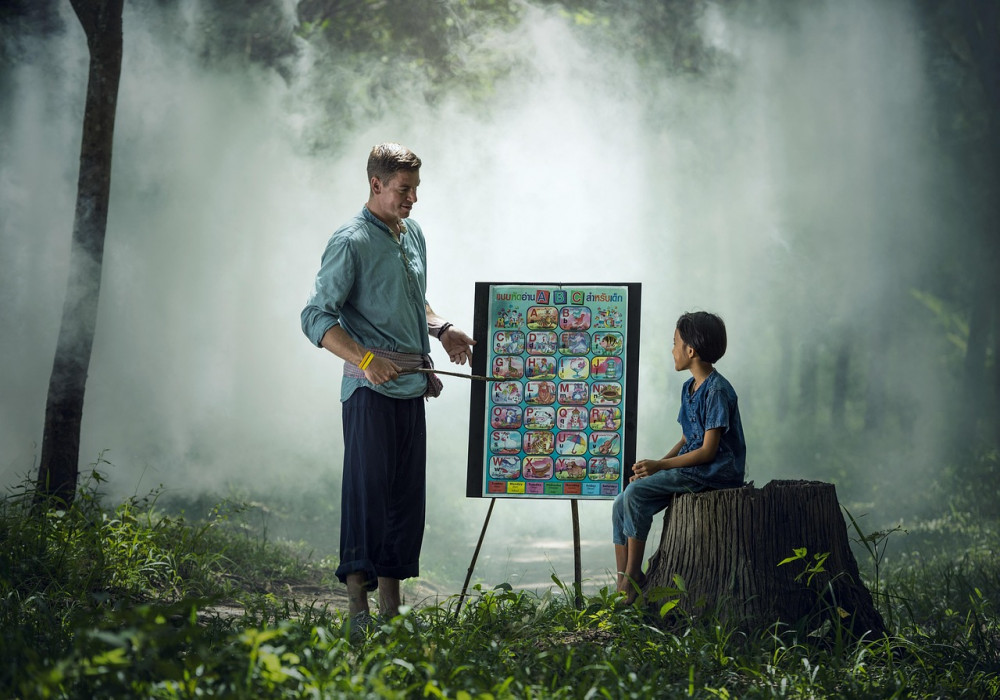
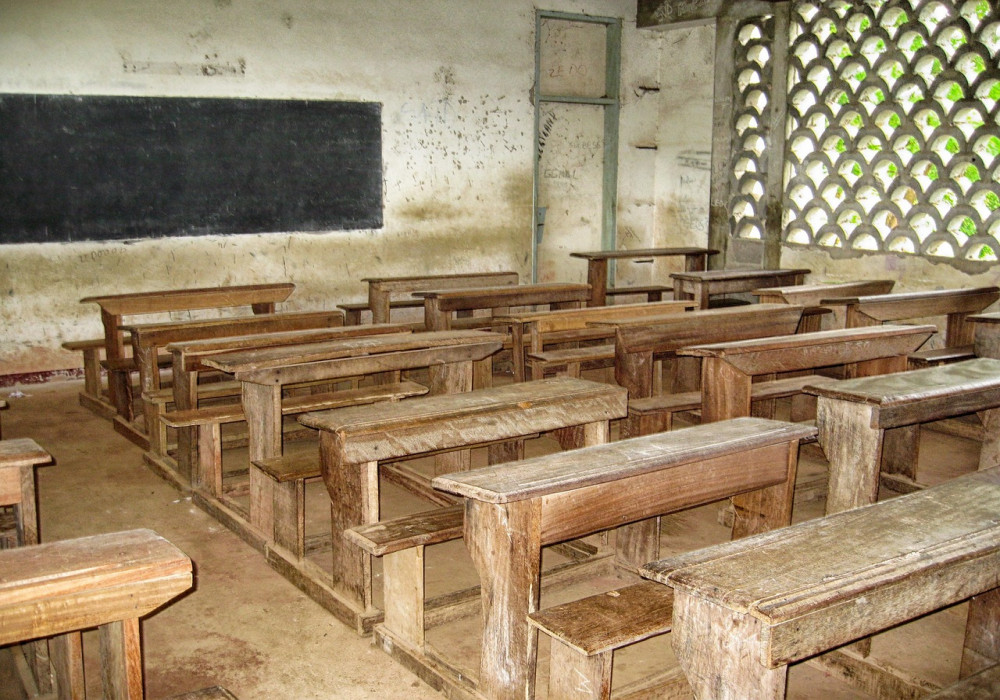
দেশের প্রাথমিক শিক্ষাব্যবস্থায় দীর্ঘদিন ধরেই শিক্ষক সংকট একটি বড় সমস্যা হিসেবে চিহ্নিত হয়ে আসছে। বিশেষ করে গ্রামীণ ও দুর্গম অঞ্চলের সরকারি প্রাথমিক বিদ্যালয়গুলোতে এই সংকট আরও প্রকট। অনেক বিদ্যালয়ে প্রয়োজনীয় সংখ্যক শিক্ষক না থাকায় একজন শিক্ষককেই একাধিক শ্রেণির পাঠদান করতে হচ্ছে। এতে করে পাঠদানের মান যেমন ব্যাহত হচ্ছে, তেমনি শিক্ষার্থীদের মধ্যে আগ্রহও কমে যাচ্ছে। সরকারি তথ্য অনুযায়ী, দেশের প্রায় ৬৫ হাজার সরকারি প্রাথমিক বিদ্যালয়ের মধ্যে উল্লেখযোগ্য সংখ্যক বিদ্যালয়েই শিক্ষক স্বল্পতা রয়েছে। বেশিরভাগ ক্ষেত্রে একটি বিদ্যালয়ে তিন থেকে চারজন শিক্ষক থাকার কথা থাকলেও বাস্তবে দেখা যায়, কোনো কোনো স্কুলে মাত্র একজন বা দুজন শিক্ষক দিয়ে পুরো বিদ্যালয় চালানো হচ্ছে। এমন পরিস্থিতিতে একজন শিক্ষককে একসঙ্গে প্রথম, দ্বিতীয় ও তৃতীয় শ্রেণির পাঠদান করতে হয়, যা কোনোভাবেই মানসম্মত শিক্ষা নিশ্চিত করতে পারে না। এ ধরনের পরিস্থিতিতে শিক্ষকরা চরম মানসিক চাপের মধ্যে পড়েন। একজন শিক্ষক যখন একই সময় একাধিক শ্রেণির ছাত্রছাত্রীদের পড়ান, তখন স্বাভাবিকভাবেই কোনো শ্রেণির উপর পর্যাপ্ত সময় ও মনোযোগ দেওয়া সম্ভব হয় না। ফলে শিক্ষার্থীরা প্রয়োজনীয় জ্ঞান অর্জনে ব্যর্থ হয়। এইভাবে ধাপে ধাপে শিখনের ঘাটতি তৈরি হয়, যার নেতিবাচক প্রভাব পড়ে ভবিষ্যত শিক্ষাজীবনেও। শুধু পাঠদানের ক্ষেত্রেই নয়, একজন শিক্ষককে বিদ্যালয়ের প্রশাসনিক কাজ, মিডডে মিল, বিদ্যালয় ব্যবস্থাপনা কমিটির সঙ্গে সমন্বয়, শিক্ষার্থীদের উপস্থিতির হিসাব রাখা, নানা রিপোর্ট প্রস্তুত করাসহ আরও অনেক দায়িত্ব পালন করতে হয়। এক্ষেত্রে শিক্ষক যতই আন্তরিক হোন না কেন, সীমিত জনবল ও অপ্রতুল সময়ের কারণে শিক্ষার মান উন্নয়ন অসম্ভব হয়ে পড়ে। অন্যদিকে, শিক্ষার্থীরাও এই সংকটের কারণে দুর্বল ভিত্তির উপর দাঁড়িয়ে শিক্ষাজীবন শুরু করে। একজন শিক্ষক একসঙ্গে দুই-তিনটি শ্রেণির ক্লাস নেওয়ার সময় শিক্ষার্থীদের মনোযোগ ধরে রাখা কঠিন হয়ে পড়ে। এতে করে শিক্ষার্থীদের মধ্যে একঘেয়েমি সৃষ্টি হয় এবং তারা ধীরে ধীরে স্কুলে আসার আগ্রহ হারিয়ে ফেলে। এর ফলে ঝরে পড়ার হারও বাড়ছে। সরকার শিক্ষক নিয়োগে বিভিন্ন সময় উদ্যোগ নিলেও তা বাস্তবায়নে দীর্ঘসূত্রতা ও প্রশাসনিক জটিলতার কারণে সংকট কাটছে না। অনেক সময় নিয়োগপ্রাপ্তরাও দুর্গম এলাকায় যোগদান করতে অনিচ্ছা প্রকাশ করেন, ফলে গ্রামাঞ্চলের বিদ্যালয়গুলোতেই সংকট সবচেয়ে বেশি দেখা যায়। এই পরিস্থিতি থেকে উত্তরণে দ্রুত ও কার্যকর শিক্ষক নিয়োগ প্রক্রিয়া চালু করা দরকার। বিশেষ করে দুর্গম ও গ্রামীণ অঞ্চলের স্কুলগুলোকে অগ্রাধিকার দিয়ে পর্যাপ্ত শিক্ষক নিয়োগ, স্থায়ী পদ সৃষ্টি, নিয়োগপ্রাপ্তদের প্রণোদনা প্রদান এবং প্রশিক্ষণের ব্যবস্থা নেওয়া জরুরি। এছাড়া প্রযুক্তিনির্ভর বিকল্প শিক্ষা পদ্ধতিও বিবেচনায় আনা যেতে পারে, যাতে শিক্ষক সংকট থাকা সত্ত্বেও শিক্ষার্থীরা প্রয়োজনীয় পাঠ গ্রহণ করতে পারে। প্রাথমিক স্তরেই যদি শিক্ষার্থীরা মানসম্পন্ন শিক্ষা না পায়, তবে তা পুরো শিক্ষাজীবনে নেতিবাচক প্রভাব ফেলবে। তাই এখনই সময় কার্যকর সিদ্ধান্ত নেওয়ার, যেন একজন শিক্ষককে আর একা একাধিক শ্রেণির ভার বইতে না হয় এবং দেশের ভবিষ্যৎ প্রজন্ম একটি শক্ত ভিত্তির উপর দাঁড়িয়ে এগিয়ে যেতে পারে।
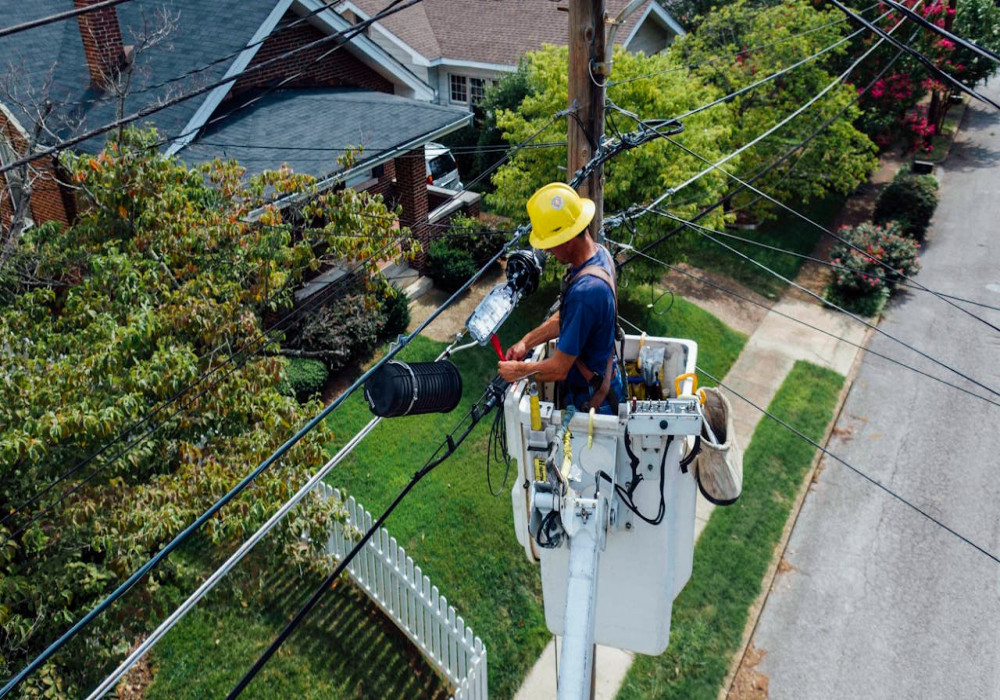
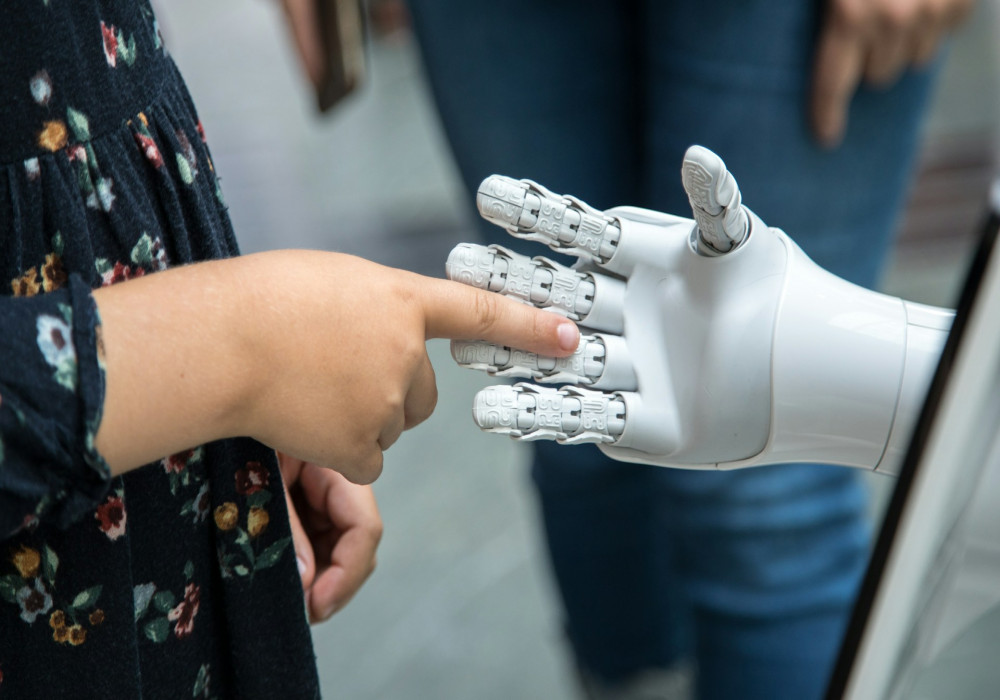
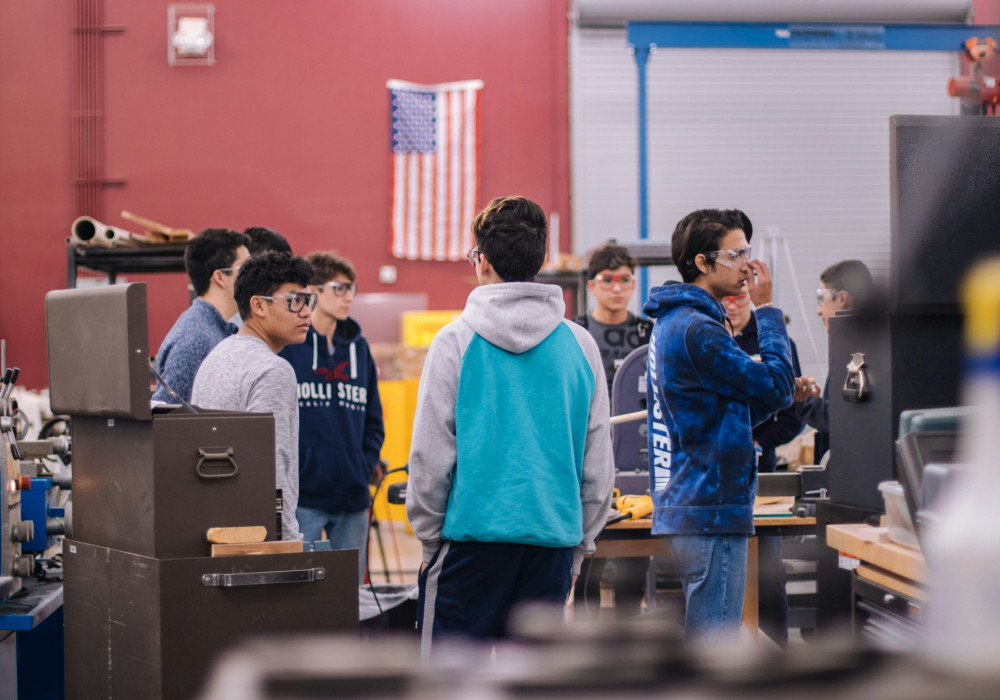
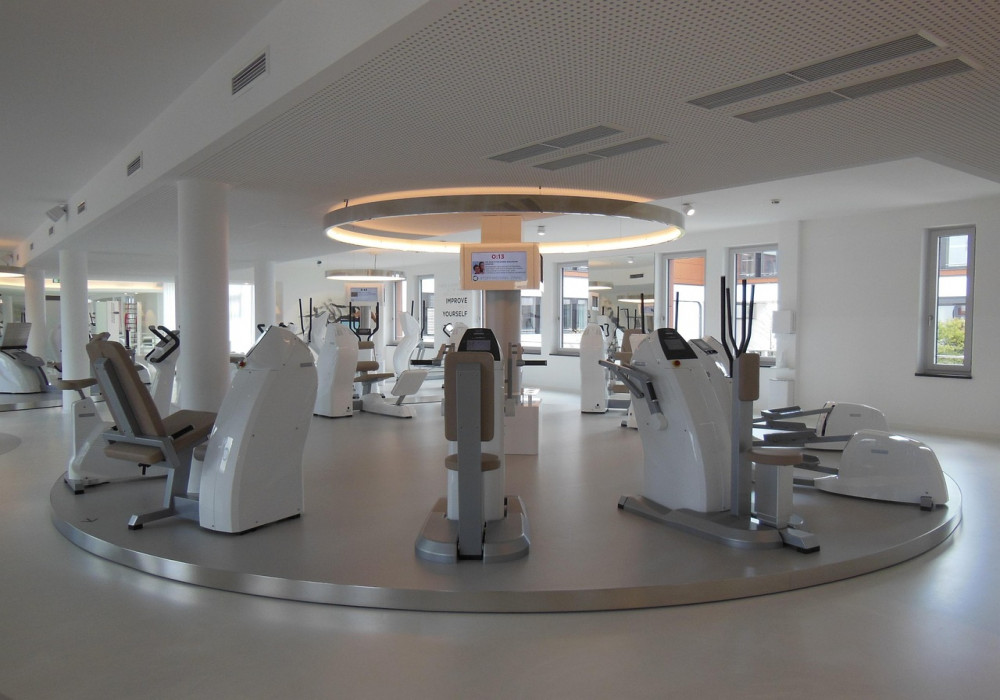
দেশে দক্ষ মানবসম্পদ গড়ে তুলতে কারিগরি শিক্ষার গুরুত্ব দিন দিন বেড়েই চলেছে। আধুনিক প্রযুক্তি ও শিল্প নির্ভর অর্থনীতিতে টিকে থাকতে হলে শুধু সাধারণ শিক্ষায় নয়, বাস্তবভিত্তিক ও হাতে-কলমে দক্ষতা অর্জনের দিকেও গুরুত্ব দিতে হবে। সেই বিবেচনা থেকেই সরকার এবার কারিগরি শিক্ষার প্রসারে নতুন একটি গুরুত্বপূর্ণ পদক্ষেপ নিয়েছে। প্রতিটি উপজেলায় আধুনিক প্রশিক্ষণ কেন্দ্র স্থাপনের উদ্যোগ নেওয়া হয়েছে, যার লক্ষ্য হলো দেশের প্রতিটি অঞ্চলের যুবসমাজকে দক্ষ করে তোলা এবং তাদের কর্মসংস্থানের সুযোগ বাড়ানো। বর্তমানে দেশে কারিগরি শিক্ষার পরিসর সীমিত। অধিকাংশ কারিগরি প্রশিক্ষণ কেন্দ্র জেলা বা বিভাগীয় শহরগুলোতেই সীমাবদ্ধ। ফলে গ্রামীণ ও প্রান্তিক এলাকার তরুণরা এই ধরনের শিক্ষার সুযোগ থেকে বঞ্চিত হয়। তবে নতুন এই প্রকল্প বাস্তবায়িত হলে প্রতিটি উপজেলায় একটি করে আধুনিক প্রশিক্ষণ কেন্দ্র স্থাপিত হবে, যেখানে বিভিন্ন বিষয়ের ওপর বাস্তবভিত্তিক প্রশিক্ষণ দেওয়া হবে। এতে করে একদিকে যেমন স্থানীয়ভাবে দক্ষ জনবল গড়ে উঠবে, অন্যদিকে কর্মসংস্থানেও নতুন দ্বার খুলবে। প্রশিক্ষণ কেন্দ্রগুলোতে মূলত বিদ্যুৎ ও ইলেকট্রনিক্স, গাড়ি মেরামত, ফ্রিজ ও এসি রিপেয়ারিং, কম্পিউটার ও আইটি, ফ্যাশন ডিজাইন, খাদ্য প্রক্রিয়াকরণ, সৌরবিদ্যুৎ এবং রোবোটিক্সের মতো চাহিদাসম্পন্ন কোর্স চালু করা হবে। এসব কোর্সের মাধ্যমে শিক্ষার্থীরা হাতে-কলমে শিখে চাকরি বা আত্মকর্মসংস্থানের উপযোগী হয়ে উঠবে। প্রশিক্ষণের শেষে তাদের সার্টিফিকেটও প্রদান করা হবে, যা চাকরির ক্ষেত্রেও মূল্যায়িত হবে। তাছাড়া অনেকে নিজের উদ্যোগেও ব্যবসা শুরু করতে পারবে, যার ফলে বেকারত্ব হ্রাস পাবে এবং গ্রামীণ অর্থনীতি আরও শক্তিশালী হবে। এই প্রকল্পের আওতায় প্রশিক্ষণ কেন্দ্রগুলোতে আধুনিক যন্ত্রপাতি ও প্রযুক্তি সরবরাহ করা হবে, যাতে শিক্ষার্থীরা বাস্তব জ্ঞান অর্জনে সক্ষম হয়। প্রশিক্ষকেরাও হবেন অভিজ্ঞ ও দক্ষ, যারা যুগোপযোগী পদ্ধতিতে পাঠদান করবেন। কিছু প্রশিক্ষণ কেন্দ্রকে বিশেষায়িত করাও হবে, যেমন কোনো এলাকায় কৃষিভিত্তিক প্রশিক্ষণ বেশি, আবার অন্য এলাকায় আইটি নির্ভর প্রশিক্ষণ বেশি দেওয়া হবে। এইভাবে স্থানীয় চাহিদা ও সম্ভাবনার ভিত্তিতে প্রশিক্ষণের ধরন নির্ধারণ করা হবে। এই উদ্যোগ শুধু কর্মসংস্থানের দিক থেকেই নয়, সামাজিক পরিবর্তনের ক্ষেত্রেও গুরুত্বপূর্ণ ভূমিকা রাখবে। বিশেষ করে নারী ও প্রতিবন্ধীদের অংশগ্রহণ বাড়ানো হবে, যাতে কারিগরি শিক্ষা সবার জন্য সমান সুযোগ সৃষ্টি করে। সরকারের পক্ষ থেকে প্রশিক্ষণ শেষে ঋণ সুবিধা, উদ্যোক্তা পরামর্শ ও চাকরির সংযোগও দেওয়ার কথা ভাবা হচ্ছে, যা প্রকল্পকে বাস্তবিক ও দীর্ঘমেয়াদি সফলতায় রূপান্তর করবে। সার্বিকভাবে বললে, প্রতিটি উপজেলায় আধুনিক প্রশিক্ষণ কেন্দ্র স্থাপনের এই উদ্যোগ গ্রামীণ উন্নয়ন, কর্মসংস্থান সৃষ্টি এবং দেশের সামগ্রিক অর্থনীতিতে ইতিবাচক প্রভাব ফেলবে। এই উদ্যোগ বাস্তবায়নের মাধ্যমে দেশের তরুণ সমাজ আরও দক্ষ, আত্মনির্ভর ও ভবিষ্যতমুখী হয়ে উঠবে, যা স্মার্ট বাংলাদেশের পথে একটি বড় পদক্ষেপ হিসেবে বিবেচিত হবে।
করোনা মহামারির সময় থেকেই দেশে অনলাইন ক্লাসের প্রচলন শুরু হয়। প্রযুক্তিনির্ভর শিক্ষা পদ্ধতির এই প্রয়োগ অনেকটাই জরুরি অবস্থা মোকাবিলার অংশ ছিল। শুরুতে শিক্ষার্থীরা নতুন অভিজ্ঞতা হিসেবে বিষয়টি গ্রহণ করলেও ধীরে ধীরে এর প্রতি আগ্রহ কমতে শুরু করে। এখন দেখা যাচ্ছে, অনলাইন ক্লাসের কার্যকারিতা নিয়ে প্রশ্ন উঠছে এবং এতে শিক্ষার্থীদের মধ্যে শিখন ঘাটতির হার বাড়ছে। বিশেষজ্ঞরা বলছেন, অনলাইন ক্লাস কার্যকর হতে হলে নির্দিষ্ট অবকাঠামো, উপযুক্ত পরিবেশ ও শিক্ষার্থীদের মনোযোগ ধরে রাখার কৌশল প্রয়োগ করতে হয়। কিন্তু বাস্তব চিত্র হচ্ছে, দেশের অনেক শিক্ষার্থী এখনো নিরবচ্ছিন্ন ইন্টারনেট সুবিধা পায় না। আবার অনেকের বাড়িতে নেই প্রয়োজনীয় ডিভাইস, কিংবা থাকলেও তা পরিবারের একাধিক সদস্যের মাঝে ভাগ করে ব্যবহার করতে হয়। ফলে নিয়মিত ক্লাসে অংশগ্রহণ করা কঠিন হয়ে পড়ে। একই সঙ্গে বিদ্যুৎ বিভ্রাট, মোবাইল নেটওয়ার্কের দুর্বলতা এবং প্রযুক্তি ব্যবহারে দক্ষতার অভাব শিক্ষার্থীদের অনলাইন ক্লাসে মনোযোগ হারানোর অন্যতম কারণ। শুধু প্রযুক্তিগত সমস্যাই নয়, অনলাইন ক্লাসে শিক্ষক-শিক্ষার্থী সরাসরি যোগাযোগ করতে না পারায় অনেক শিক্ষার্থী প্রশ্ন করার সুযোগ পায় না। অনেক সময় তারা বুঝেও না বোঝার ভান করে ক্লাস শেষ করে দেয়। এতে করে বিষয়বস্তুর প্রতি আগ্রহ কমে যায় এবং শিখনে ঘাটতি দেখা দেয়। বিশেষ করে প্রাথমিক ও মাধ্যমিক স্তরের শিক্ষার্থীদের জন্য অনলাইন ক্লাস অনেক সময় একঘেয়েমি ও মানসিক চাপের কারণ হয়ে দাঁড়ায়। তারা ভার্চুয়াল মাধ্যমে বেশি সময় মনোযোগ ধরে রাখতে পারে না, ফলে শেখার গতি ব্যাহত হয়। শিক্ষকদের একাংশ মনে করেন, অনলাইন ক্লাসে পাঠদানের পদ্ধতি এখনও যথাযথভাবে মানসম্মত হয়নি। অধিকাংশ শিক্ষকই শুধু পাঠ্যবই পড়ে শোনান, যা শিক্ষার্থীদের মধ্যে আকর্ষণ সৃষ্টি করে না। অপরদিকে, অনেক শিক্ষক নিজেরাও প্রযুক্তি ব্যবহারে স্বচ্ছন্দ নন, ফলে ক্লাস পরিচালনায় তারা দ্বিধাগ্রস্ত থাকেন। এর ফলে শিক্ষার্থীদের মধ্যে ক্লাসে সম্পৃক্ততা কমে যায় এবং তারা পড়াশোনা থেকে ধীরে ধীরে বিমুখ হয়ে পড়ে। অভিভাবকরাও বলছেন, শিশুদের ঘরে বসে অনলাইনে পড়াশোনায় আগ্রহ ধরে রাখা অত্যন্ত কঠিন। অনেক সময় তারা মোবাইল বা ল্যাপটপে ক্লাসের নাম করে অন্য কিছুর প্রতি আসক্ত হয়ে পড়ে, যা পড়াশোনার ক্ষতি করে। এছাড়া দীর্ঘসময় স্ক্রিনের দিকে তাকিয়ে থাকার কারণে চোখে সমস্যা, মানসিক অস্থিরতা ও একাকীত্বও বাড়ছে বলে অভিযোগ রয়েছে। এই পরিস্থিতি থেকে উত্তরণে প্রয়োজন হাইব্রিড লার্নিং পদ্ধতি—যেখানে অফলাইন ও অনলাইন উভয় মাধ্যমকে ভারসাম্যের সঙ্গে ব্যবহার করা হবে। এছাড়া অনলাইন ক্লাসের কনটেন্টকে আরও ইন্টারেক্টিভ ও শিক্ষার্থীবান্ধব করে তোলা, শিক্ষকদের উপযুক্ত প্রশিক্ষণ দেওয়া এবং প্রযুক্তিগত অবকাঠামো উন্নত করার মাধ্যমে শিক্ষার্থীদের মধ্যে আবারও আগ্রহ ফিরিয়ে আনা সম্ভব। দেশের ভবিষ্যৎ প্রজন্মের মানসম্মত শিক্ষা নিশ্চিত করতে হলে অনলাইন শিক্ষাব্যবস্থার দুর্বল দিকগুলো চিহ্নিত করে দ্রুত পদক্ষেপ নেওয়া জরুরি। নয়তো এই ধারাবাহিক শিখন ঘাটতি আগামী দিনে একটি প্রজন্মের শিক্ষা ও দক্ষতার মানকে চ্যালেঞ্জের মুখে ফেলবে।
সরকারি ও বেসরকারি প্রাথমিক ও মাধ্যমিক বিদ্যালয়ে ইউনিফর্ম ও উপবৃত্তি প্রদান দীর্ঘদিন ধরেই শিক্ষার্থীদের স্কুলমুখী করতে গুরুত্বপূর্ণ ভূমিকা রেখে এসেছে। তবে সাম্প্রতিক সময়ে অনেক স্কুলেই শিক্ষার্থীরা এই সুবিধা থেকে বঞ্চিত হচ্ছে। ফলে অনুপস্থিতির হার দিন দিন বাড়ছে, যা উদ্বেগজনক মাত্রায় পৌঁছেছে। বিশেষ করে প্রান্তিক ও দরিদ্র পরিবারের শিক্ষার্থীদের জন্য ইউনিফর্ম ও উপবৃত্তি না পাওয়া এক ধরনের বাধা হয়ে দাঁড়িয়েছে। মাঠপর্যায়ের তথ্য বলছে, অনেক স্কুলেই বছরের শুরু থেকেই ইউনিফর্ম সরবরাহ হয়নি। আবার উপবৃত্তির টাকা এখনো পৌঁছায়নি শিক্ষার্থীদের হাতে। এতে করে দরিদ্র পরিবারগুলো শিশুদের বিদ্যালয়ে পাঠাতে নিরুৎসাহিত হচ্ছে। অনেক অভিভাবকই বলছেন, পরিবারের আর্থিক দুরবস্থার কারণে সন্তানদের ইউনিফর্ম কেনা বা অন্যান্য শিক্ষা সামগ্রী সংগ্রহ করা সম্ভব হচ্ছে না। সেই সাথে উপবৃত্তির অর্থ সময়মতো না পাওয়ায় শিক্ষার্থীদের স্কুলে যাওয়া কমে গেছে। এতে করে ঝরে পড়ার আশঙ্কা আরও বাড়ছে। বিশেষজ্ঞরা বলছেন, শিক্ষাক্ষেত্রে সরকারের বিভিন্ন পদক্ষেপ প্রশংসনীয় হলেও মাঠপর্যায়ে বাস্তবায়নের ঘাটতি রয়েছে। বিশেষ করে দরিদ্র ও প্রান্তিক জনগোষ্ঠীর শিক্ষার্থীদের জন্য উপবৃত্তি ও ইউনিফর্ম একটি সহায়ক শক্তি হিসেবে কাজ করে। কিন্তু এই সুবিধা নিয়মিতভাবে না পৌঁছালে তাদের স্কুলে উপস্থিতি ব্যাহত হয়। অনেক সময় দেখা যায়, একই পোশাক বারবার পরার ফলে তা নষ্ট হয়ে যায় এবং নতুনটি কেনার সামর্থ্য না থাকায় শিক্ষার্থীরা স্কুলে অনুপস্থিত থাকে। অন্যদিকে, উপবৃত্তির টাকায় তারা যাতায়াত খরচ, খাতা-কলম কিংবা অন্যান্য প্রয়োজনীয় সামগ্রী সংগ্রহ করে থাকে। এই অর্থ না পেলে তাদের পড়াশোনা চালিয়ে যাওয়া কষ্টসাধ্য হয়ে পড়ে। শিক্ষা কর্মকর্তাদের অনেকে জানিয়েছেন, বাজেট বরাদ্দে বিলম্ব এবং প্রশাসনিক জটিলতার কারণে ইউনিফর্ম ও উপবৃত্তি সরবরাহে দেরি হচ্ছে। তবে তারা আশ্বস্ত করেছেন, চলতি বছরের মধ্যেই সমস্যার সমাধান হবে এবং শিক্ষার্থীদের প্রাপ্য সুবিধা যথাসময়ে পৌঁছে যাবে। তবে অভিভাবক ও শিক্ষকদের দাবি, শুধু প্রতিশ্রুতি নয়, দ্রুত পদক্ষেপ নেওয়া দরকার। শিশুদের নিয়মিত স্কুলে উপস্থিত রাখার জন্য তাদের মৌলিক চাহিদাগুলোর দিকে নজর দেওয়া অত্যন্ত জরুরি। বিশেষ করে যারা সমাজের পিছিয়ে পড়া শ্রেণির, তাদের জন্য শিক্ষা যেন বিলাসিতা না হয়ে যায়। সরকারের উচিত বরাদ্দ, বণ্টন ও বাস্তবায়নে আরও জোর দেওয়া, যাতে প্রতিটি শিক্ষার্থী তার ন্যায্য অধিকার নিশ্চিতভাবে পায়। এই পরিস্থিতি অব্যাহত থাকলে স্কুলে শিক্ষার্থীদের উপস্থিতির হার আরও কমে যেতে পারে এবং জাতীয় শিক্ষানীতির লক্ষ্য অর্জন ব্যাহত হতে পারে। তাই এখনই কার্যকর উদ্যোগ নেওয়া দরকার, যাতে ভবিষ্যৎ প্রজন্মের শিক্ষাজীবন কোনোভাবেই ক্ষতিগ্রস্ত না হয়।
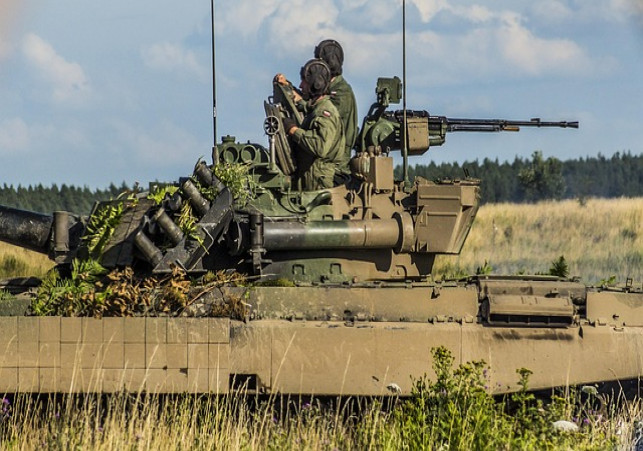
ইউরোপের রাজধানী ব্রাসেলসে আজ ইউরোপীয় ইউনিয়নের শীর্ষ নেতারা একটি বিশেষ শীর্ষ সম্মেলনে মিলিত হয়েছেন, যার মূল উদ্দেশ্য ইউক্রেন যুদ্ধের জটিল পরিস্থিতিতে শান্তি আলোচনা জোরালো করা। এই বৈঠকে ইউরোপীয় ইউনিয়নের পাশাপাশি মার্কিন যুক্তরাষ্ট্র ও যুক্তরাজ্যের উচ্চপর্যায়ের প্রতিনিধিরাও উপস্থিত আছেন। গত বছরের শুরু থেকে রাশিয়া-ইউক্রেন যুদ্ধ বিশ্ব রাজনীতিতে এক বিশাল অস্থিরতা সৃষ্টি করেছে। যুদ্ধের কারণে সারা ইউরোপ এবং বিশ্বজুড়ে জ্বালানি ও খাদ্য নিরাপত্তা সংকট বৃদ্ধি পেয়েছে। তাই ইউরোপীয় নেতারা এখন যুদ্ধবিরতি এবং স্থায়ী শান্তির জন্য একটি সুস্পষ্ট রোডম্যাপ তৈরিতে কাজ করছেন। ইউরোপীয় কমিশনের প্রেসিডেন্ট উরসুলা ভন ডার লেয়েন বলেন, “আমরা যুদ্ধের মানবিক সংকট বুঝতে পারি এবং এখন আমাদের দায়িত্ব এটি দ্রুত শেষ করার পথ খোঁজা। আমাদের প্রত্যেকের জন্যই শান্তি এবং স্থিতিশীলতা অপরিহার্য।” এই বৈঠকে অস্ত্রবিরতি চুক্তি, যুদ্ধাপরাধ তদন্ত, পুনর্বাসন কার্যক্রম এবং পূর্ব ইউরোপে নিরাপত্তা ব্যবস্থার উন্নয়ন নিয়ে বিস্তারিত আলোচনা হয়েছে। এছাড়া, খাদ্য ও জ্বালানি সংকট মোকাবিলায় আন্তর্জাতিক সমন্বয়ের কথাও বলা হয়েছে। বিশ্লেষকদের মতে, যদিও আন্তর্জাতিক বৈঠকগুলো যুদ্ধ সমাপ্তির নিশ্চয়তা দেয় না, তবে এগুলো যুদ্ধবিরতির সম্ভাবনা বাড়াতে এবং ভবিষ্যতের স্থিতিশীলতা গড়ে তুলতে গুরুত্বপূর্ণ ভূমিকা পালন করে।
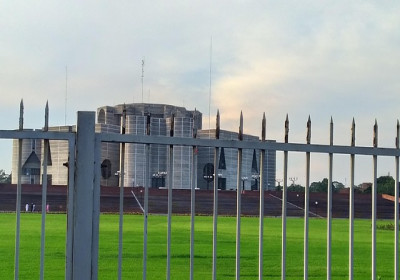
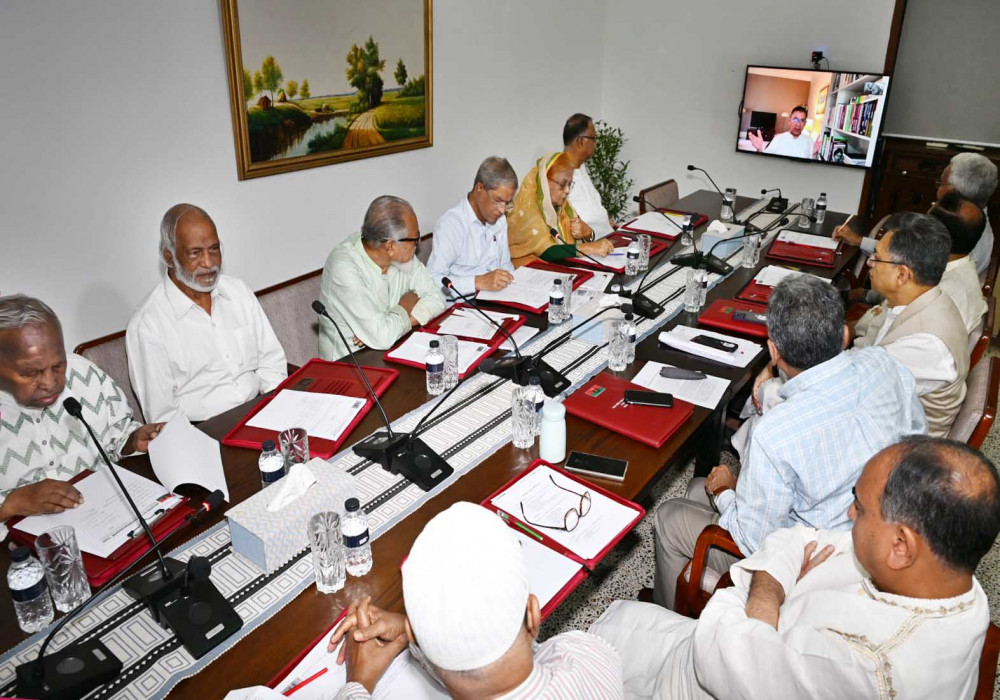
ঢাকা – দেশের রাজনৈতিক অঙ্গনে নতুন উত্তেজনার সৃষ্টি হয়েছে, যখন দেশের প্রধান তিনটি বিরোধী দল—জাতীয় গণফ্রন্ট, উন্নয়ন পার্টি ও জননেতা পরিষদ—আজ এক যৌথ সংবাদ সম্মেলনে ‘গণঐক্য জোট’ নামে একটি নতুন রাজনৈতিক জোট গঠনের ঘোষণা দিয়েছে। এই জোটের মুখ্য লক্ষ্য হলো আগাম জাতীয় সংসদ নির্বাচন আদায় করা, বর্তমান সরকারের পদত্যাগ দাবি এবং একটি নিরপেক্ষ তত্ত্বাবধায়ক সরকারের অধীনে ভোট আয়োজন নিশ্চিত করা। জাতীয় গণফ্রন্টের সভাপতি শহীদুল হক সংবাদ সম্মেলনে বলেন, “দেশে এখন গণতন্ত্র নেই, জনগণের ভোটাধিকার নেই। তাই আমাদের এই ঐক্য—সত্যিকার অর্থে একটি গণআন্দোলনের সূচনা।” জোটের কর্মসূচি জোট নেতারা জানান, আগামী মাস থেকে সারা দেশে বিক্ষোভ, গণঅবস্থান, মানববন্ধন এবং জেলা পর্যায়ে গণসংলাপ কর্মসূচি শুরু হবে। তারা বলেছেন, এই জোট শুধুমাত্র সরকারবিরোধী নয়, বরং এটি একটি ভবিষ্যত রাজনৈতিক বিকল্প হিসেবেও কাজ করবে। সরকারের প্রতিক্রিয়া সরকারি দলের পক্ষ থেকে এখনো আনুষ্ঠানিক কোনো প্রতিক্রিয়া পাওয়া যায়নি, তবে অঘোষিতভাবে কয়েকজন শীর্ষ নেতা বলেছেন, “বিরোধীদের এই জোট জনভিত্তিহীন এবং জনমনে বিভ্রান্তি সৃষ্টির চেষ্টা।” বিশ্লেষকদের মত রাজনৈতিক বিশ্লেষক ড. মাহবুব হাসান বলেন, “এই জোট নির্বাচনী রাজনীতিতে গুরুত্বপূর্ণ পরিবর্তন আনতে পারে, যদি তারা মাঠে বাস্তব আন্দোলন ও বিকল্প নেতৃত্ব দিতে পারে। তবে সরকার যেভাবে শক্ত হাতে আইনশৃঙ্খলা বজায় রাখছে, তাতে সংঘাতময় পরিস্থিতি তৈরির আশঙ্কাও রয়েছে।” আগামী সপ্তাহে জাতীয় প্রেস ক্লাবে জোটের পক্ষ থেকে পূর্ণাঙ্গ কর্মসূচি ঘোষণা করা হবে বলে জানানো হয়েছে। রাজনৈতিক মহল এই জোটকে ২০২৬ সালের জাতীয় নির্বাচনের ‘গেম চেঞ্জার’ হিসেবেও দেখছে।
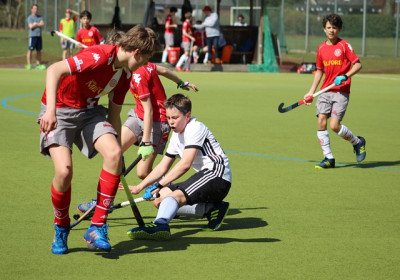
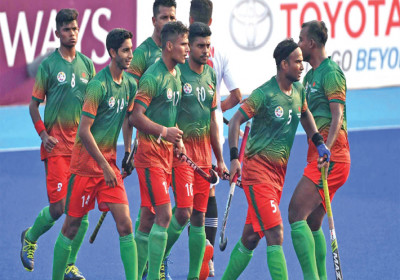
আর্জেন্টিনা ও নেদারল্যান্ডসের মধ্যে অনুষ্ঠিতব্য ২০২৫ আন্তর্জাতিক হকি বিশ্বকাপ ফাইনাল ম্যাচ ফুটবল প্রেমীদের মতো হকি প্রেমীদের মধ্যেও ব্যাপক উৎসাহ তৈরি করেছে। ইতোমধ্যে টুর্নামেন্টের কঠিন পর্ব অতিক্রম করে দুই দলই নিজেদের সেরাটা দিয়ে ফাইনালে উঠেছে। আগামীকাল অনুষ্ঠিতব্য এই ফাইনাল ম্যাচে উভয় দল নিজেদের সেরা পারফরম্যান্স প্রদর্শনের জন্য প্রস্তুত। আর্জেন্টিনা দল এই টুর্নামেন্টে অসাধারণ আত্মবিশ্বাস ও দক্ষতার পরিচয় দিয়েছে। অধিনায়ক লুকাস মার্টিনেজ সংবাদমাধ্যমকে বলেন, “আমরা টুর্নামেন্টের শুরু থেকেই কঠোর পরিশ্রম করেছি। দলের সবাই একসঙ্গে কাজ করে ফাইনালে পৌঁছেছি। আমাদের লক্ষ্য স্পষ্ট — বিশ্বকাপ জিততে হবে। প্রতিটি ম্যাচের জন্য আমরা আত্মনিয়ন্ত্রণ ও মনোযোগ বজায় রেখেছি এবং আগামী ম্যাচেও তা বজায় রাখব।” আর্জেন্টিনা দলের ফিজিক্যাল ট্রেনার জানান, দল খেলোয়াড়দের ফিটনেস ও মানসিক প্রস্তুতির জন্য বিশেষ অনুশীলন চালাচ্ছে যাতে ফাইনালে তারা চাপ সামলাতে পারে। অন্যদিকে নেদারল্যান্ডসের কোচ মাইকেল ডি ইয়ং ফাইনালের আগের প্রস্তুতি নিয়ে আশাবাদ প্রকাশ করেন। তিনি বলেন, “আমাদের দল গত কয়েক মাস ধরে কৌশলগত প্রস্তুতি নিয়েছে। খেলোয়াড়রা মানসিক ও শারীরিকভাবে সম্পূর্ণ প্রস্তুত। আমরা চাই এই বিশ্বকাপে নিজেদের ইতিহাস গড়ে একটি শক্তিশালী ছাপ রেখে যেতে।” কোচ আরো বলেন, “আমাদের লক্ষ্য শুধুমাত্র ফাইনালে উঠা নয়, বরং বিশ্বকাপ জয়। আমরা প্রতিপক্ষের দুর্বলতা চিহ্নিত করে নিজেদের পরিকল্পনা সাজাচ্ছি।” বিশ্বের হকি বিশেষজ্ঞরা বলছেন, এবারের ফাইনাল ম্যাচটি গত দশকের সবচেয়ে উত্তেজনাপূর্ণ এবং ঘনিষ্ঠ প্রতিযোগিতা হতে চলেছে। উভয় দলের কৌশল, বল নিয়ন্ত্রণ ও দ্রুতগতির খেলায় যে মেধা প্রদর্শিত হয়েছে, তা ফুটবলের মতো অন্য কোনো খেলার ক্ষেত্রে বিরল। বিশেষজ্ঞরা মনে করছেন, ফাইনালে দলের মানসিক স্থিতিশীলতা ও চাপ সামলানোর ক্ষমতা বিজয় নির্ধারণে মূল ভূমিকা পালন করবে। মাঠে উভয় দলের খেলোয়াড়রা দ্রুতগতির পাস, শক্তিশালী ডিফেন্স এবং আক্রমণাত্মক স্ট্র্যাটেজি নিয়ে মাঠ মাতানোর প্রস্তুতি নিচ্ছে। আর্জেন্টিনার স্ট্রাইকারের গতিবেগ এবং নেদারল্যান্ডসের মিডফিল্ডারদের কৌশলগত দক্ষতা ম্যাচে প্রধান আকর্ষণ হবে বলে ধারণা করা হচ্ছে। এছাড়াও গোলরক্ষকদের প্রতিটি সেভ এবং প্রতিপক্ষের আক্রমণ রুখে দেওয়াও ম্যাচের ফলাফলে গুরুত্বপূর্ণ প্রভাব ফেলবে। বিশ্বজুড়ে লাখো হকি ভক্ত এই ম্যাচের সরাসরি সম্প্রচার দেখার জন্য অপেক্ষায় আছেন। অনলাইনে বিভিন্ন প্ল্যাটফর্মে ম্যাচের লাইভ স্ট্রিমিং অনুষ্ঠিত হবে এবং অনেক দেশের টেলিভিশনও সরাসরি সম্প্রচার করবে। হকি প্রেমীরা এই ম্যাচ থেকে দারুণ উত্তেজনা, দক্ষতা এবং খেলা উপভোগ করার আশা করছে। মাঠের বাইরেও ভক্তদের জন্য বিভিন্ন সাংস্কৃতিক অনুষ্ঠান ও ফ্যান জোন আয়োজন করা হয়েছে, যেখানে খেলোয়াড় ও দর্শকরা একত্রে সময় কাটিয়ে খেলার আনন্দ ভাগাভাগি করবেন। এছাড়াও টুর্নামেন্ট পরিচালনাকারী কর্তৃপক্ষ সব ধরনের নিরাপত্তা ব্যবস্থা নিয়েছে যাতে কোনো ধরনের বিশৃঙ্খলা না ঘটে এবং খেলা নির্বিঘ্নে সম্পন্ন হয়। বিশ্বকাপ ফাইনাল শেষে দুই দলের পারফরম্যান্স বিশ্লেষণ করে আগামী দিনে বিশ্ব হকির নতুন ধারার রূপরেখা নির্ধারণ করা হবে। এই ম্যাচের ফলাফল আগামী দশক ধরে হকির কৌশলগত উন্নয়নে গুরুত্বপূর্ণ ভূমিকা পালন করবে বলে মনে করছেন বিশ্লেষকরা। এই প্রতিযোগিতা বিশ্বের সর্বোচ্চ মানের হকি টুর্নামেন্ট হওয়ায় এর প্রতি ভক্তদের আগ্রহ ও উন্মাদনা সত্যিই অবিশ্বাস্য। সবাই আশা করছেন, আগামীকালের ফাইনাল হবে একটি স্মরণীয় খেলা, যেখানে স্পোর্টসম্যানশিপ, দক্ষতা ও উত্তেজনা থাকবে সর্বোচ্চ মাত্রায়।
ঢাকা, ২৫ জুন ২০২৫ – জলবায়ু পরিবর্তনের বিরূপ প্রভাবের কারণে বাংলাদেশের উপকূলীয় এলাকাগুলোতে দিন দিন বেড়ে চলেছে খাদ্য নিরাপত্তা সংকট। বিশেষজ্ঞরা বলছেন, সমুদ্রপৃষ্ঠের উচ্চতা বৃদ্ধি, লবণাক্ততা বিস্তার, অনিয়মিত বৃষ্টি ও ঘন ঘন প্রাকৃতিক দুর্যোগ কৃষিজ উৎপাদনে মারাত্মক প্রভাব ফেলছে। সম্প্রতি বাংলাদেশ কৃষি গবেষণা কাউন্সিল (বিএআরসি) এক সমীক্ষায় জানিয়েছে, ২০২৪ সালে উপকূলীয় ১২টি জেলার মধ্যে অন্তত ৭টিতে ধানের উৎপাদন কমেছে ২০ শতাংশের বেশি। বিশেষ করে সাতক্ষীরা, পটুয়াখালী, ভোলা ও খুলনার কিছু অঞ্চলে একাধিক মৌসুমে চাষ সম্ভব হচ্ছে না। জলবায়ু বিশেষজ্ঞ ড. ফারজানা রহমান বলেন, “উপকূলীয় মাটিতে লবণাক্ততার মাত্রা স্বাভাবিকের চেয়ে ৪ গুণ বেড়ে গেছে। এতে ধান, পাট, সবজি এমনকি মাছের চাষেও ব্যাপক ক্ষতি হচ্ছে। ফলস্বরূপ এলাকার মানুষ বিকল্প জীবিকার সন্ধানে স্থানান্তর হচ্ছে।” স্থানীয় চাষিরা বলছেন, আগে যেখানে বছরে তিনবার ফসল হতো, এখন একবারও সঠিকভাবে ফসল ঘরে তোলা যাচ্ছে না। অনেকেই জমি ফেলে দিয়ে অন্য পেশায় চলে যাচ্ছেন। প্রতিবছর ঘূর্ণিঝড় ও বন্যা উপকূলীয় মানুষের জীবনে নতুন করে আঘাত হানে। ২০২৫ সালের মে মাসেই ঘূর্ণিঝড় ‘নির্মল’-এর আঘাতে বরগুনা ও পটুয়াখালীর বিস্তীর্ণ এলাকা প্লাবিত হয়। এতে বহু কৃষিজমি জলমগ্ন হয়ে পড়ে এবং মিষ্টি পানির পুকুরে লবণাক্ত পানি ঢুকে যায়। পরিবেশ মন্ত্রণালয় সূত্রে জানা গেছে, সরকার ২০২৫–৩০ সময়কালের জন্য একটি ‘জলবায়ু সহনশীল কৃষি কর্মপরিকল্পনা’ তৈরি করেছে, যার আওতায় উপকূলীয় কৃষকদের লবণসহিষ্ণু ফসল চাষে উৎসাহিত করা হবে এবং প্রাকৃতিক দুর্যোগে ক্ষতিগ্রস্ত পরিবারগুলোকে আর্থিক সহায়তা প্রদান করা হবে। এছাড়া পানি উন্নয়ন বোর্ড উপকূলবর্তী এলাকায় নতুন করে বাঁধ নির্মাণ ও পুরাতন বাঁধ সংস্কারের কাজ শুরু করেছে, যাতে জোয়ারের পানি কৃষিজমিতে প্রবেশ না করতে পারে। তবে গবেষকরা বলছেন, এই উদ্যোগগুলো কার্যকর করতে হলে স্থানীয় পর্যায়ে সচেতনতা, প্রশিক্ষণ ও টেকসই প্রযুক্তি ব্যবহারের ওপর জোর দিতে হবে। নইলে ভবিষ্যতে বাংলাদেশের খাদ্য উৎপাদনে বড় ধরণের ঘাটতি দেখা দিতে পারে। জাতিসংঘের খাদ্য ও কৃষি সংস্থা (এফএও) এক পূর্বাভাসে জানিয়েছে, যদি জলবায়ু পরিবর্তনের বর্তমান ধারা অব্যাহত থাকে, তবে ২০৩০ সালের মধ্যে বাংলাদেশের উপকূলীয় এলাকায় কৃষিজ উৎপাদন আরও ৩০ শতাংশ কমে যাওয়ার আশঙ্কা রয়েছে। জলবায়ু পরিবর্তন এখন আর ভবিষ্যতের শঙ্কা নয়, এটি বাংলাদেশের জন্য একটি বাস্তব ও প্রতিদিনকার চ্যালেঞ্জে পরিণত হয়েছে।
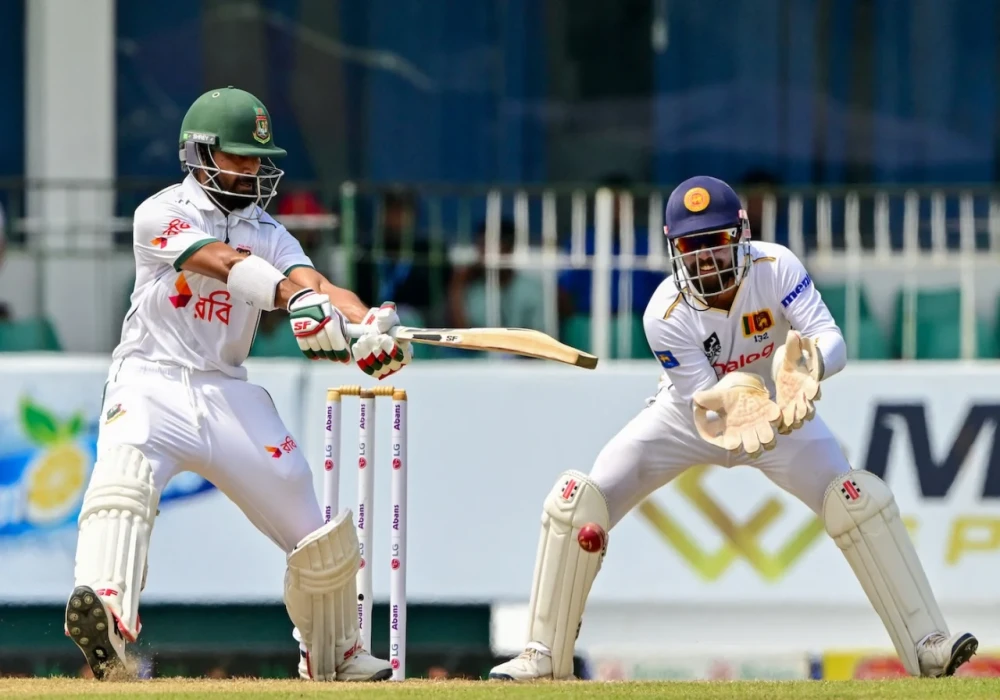
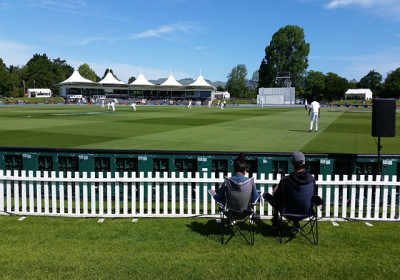
কলম্বোর সিংহলিজ স্পোর্টস ক্লাব ময়দানে চলমান দ্বিতীয় ও শেষ টেস্টে ব্যাট হাতে আবারও ব্যর্থতার চিত্র ফুটে উঠেছে বাংলাদেশের। টস জিতে ব্যাট করতে নেমে প্রথম ইনিংসে টাইগাররা সংগ্রহ করে মাত্র ২২০ রান, যেখানে ব্যতিক্রম ছিলেন কেবল শোয়াড ইসলাম (৪৬), মুশফিকুর রহিম (৩৫) ও লিটন দাস (৩৪)। শ্রীলঙ্কার বোলাররা শুরু থেকেই চাপ সৃষ্টি করে রাখে। ডেবিউ করা স্পিনার সোনাল দিনুষা ৩ উইকেট নিয়ে আলো ছড়ান, আর আসিথা ফার্নান্দো ও বিষ্ণু ফার্নান্দো নেন ২টি করে উইকেট। প্রথম ইনিংসের জবাবে দ্বিতীয় দিন সকালে শ্রীলঙ্কা উদ্বোধনী জুটি থেকে ভালো সূচনা পায়। ১৩.১ ওভারে কোন উইকেট না হারিয়ে সংগ্রহ করেছে ৬২ রান। ওপেনার পাথুম নিসান্কা ৩৩ এবং লাহিরু উদারা ২৮ রানে অপরাজিত রয়েছেন। বাংলাদেশের হয়ে তাইজুল ইসলাম ও মেহেদী হাসান মিরাজ বোলিং শুরু করলেও এখনও পর্যন্ত সাফল্যের দেখা মেলেনি। শ্রীলঙ্কা এখনো বাংলাদেশের প্রথম ইনিংস থেকে ১৫৮ রানে পিছিয়ে আছে, হাতে রয়েছে সকল উইকেট। টেস্ট চ্যাম্পিয়নশিপে প্রভাব এই টেস্টটি ২০২৩-২৫ বিশ্ব টেস্ট চ্যাম্পিয়নশিপের অংশ হওয়ায় দুই দলের জন্যই পয়েন্টের লড়াই গুরুত্বপূর্ণ। সিরিজের প্রথম টেস্টে পরাজিত হওয়ায় বাংলাদেশ সিরিজে টিকে থাকতে হলে এই ম্যাচ জিততেই হবে। পরবর্তী চ্যালেঞ্জ স্লো পিচে বাংলাদেশ বোলারদের আরও পরিকল্পিত বোলিং করতে হবে। দ্রুত উইকেট তুলে না নিতে পারলে শ্রীলঙ্কা বড় লিড নিয়ে ম্যাচ থেকে ছিটকে দেবে টাইগারদের। ফিল্ডিংয়ে মনোযোগ এবং টাইট বোলিংয়ের মাধ্যমেই দ্বিতীয় ইনিংসে নিজেদের ফিরে পাওয়ার আশায় বাংলাদেশ। সংক্ষিপ্ত স্কোরকার্ড (দিন ২, প্রথম সেশন পর্যন্ত): বাংলাদেশ (১ম ইনিংস): ২২০/১০ শ্রীলঙ্কা (১ম ইনিংস): ৬২/০ (১৩.১ ওভার) নিসান্কা: ৩৩*, উদারা: ২৮* বাংলাদেশ বোলার: তাইজুল, মিরাজ – উইকেটহীন
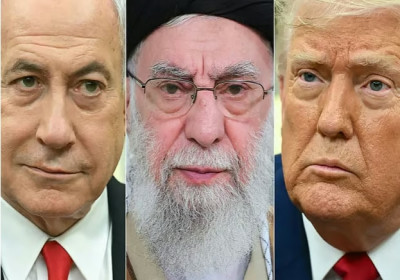
মধ্যপ্রাচ্যের রাজনৈতিক অঙ্গনে ইসরায়েল ও ইরানের দ্বন্দ্ব নতুন কিছু নয়। বহু বছর ধরে এ দুই দেশের মধ্যে চলা গোপন ও প্রকাশ্য উত্তেজনা ২০২৫ সালে এসে সরাসরি সংঘর্ষে রূপ নেয়। ড্রোন হামলা, সাইবার আক্রমণ এবং সীমান্তে সরাসরি পাল্টা-প্রতিক্রিয়া পুরো অঞ্চলকে কাঁপিয়ে তোলে। তবে সাম্প্রতিক সময়ের একটি শান্তিপূর্ণ সমঝোতা এবং যুদ্ধবিরতির ঘোষণা কি সত্যিই এই দীর্ঘ শত্রুতা শেষের ইঙ্গিত দিচ্ছে? আর এই দ্বন্দ্বে কে কী পেল? যুদ্ধের পটভূমি ইরানের পরমাণু কর্মসূচি ও ইসরায়েলের নিরাপত্তা উদ্বেগ—দুইয়ের সংঘর্ষ থেকেই উত্তেজনার সূচনা। ইসরায়েলের দাবি ছিল, ইরান গোপনে পারমাণবিক অস্ত্র তৈরির চেষ্টা করছে, যা পুরো অঞ্চলের জন্য হুমকি। অন্যদিকে, ইরান বরাবরই দাবি করেছে, তাদের কর্মসূচি শান্তিপূর্ণ। ২০২৫ সালের শুরুতে সিরিয়ায় একটি ইরানি সামরিক স্থাপনায় ইসরায়েলের হামলার প্রতিশোধে ইরান ইসরায়েলের বিভিন্ন অঞ্চলে ড্রোন ও ক্ষেপণাস্ত্র হামলা চালায়। পাল্টা জবাবে ইসরায়েল ইরানের বেশ কয়েকটি সামরিক ও পরমাণু স্থাপনায় হামলা চালায়। কয়েক সপ্তাহের এই সংঘাতে শত শত মানুষ নিহত ও আহত হয় এবং হাজার হাজার মানুষ ঘরছাড়া হয়। যুদ্ধবিরতি ও শান্তি আলোচনা বিভিন্ন আন্তর্জাতিক মহলের চাপ এবং মার্কিন যুক্তরাষ্ট্র, রাশিয়া ও চীনের মধ্যস্থতায় অবশেষে দুই দেশ এক অঘোষিত যুদ্ধবিরতিতে সম্মত হয়। একটি অস্থায়ী চুক্তির আওতায়— ইরান পরমাণু কার্যক্রমে স্বচ্ছতা আনবে এবং আন্তর্জাতিক পরিদর্শনের অনুমতি দেবে ইসরায়েল নতুন করে ইরানি স্থাপনায় আঘাত না করার প্রতিশ্রুতি দিয়েছে মধ্যপ্রাচ্যের অন্য দেশগুলো এই চুক্তিকে স্বাগত জানিয়েছে কে কী পেল? ইরান যা পেল: আন্তর্জাতিক নিষেধাজ্ঞা কিছুটা শিথিল হতে পারে আঞ্চলিক মিত্রদের (যেমন: হিজবুল্লাহ, সিরিয়া) সমর্থন অব্যাহত রাখতে পারবে অভ্যন্তরীণ রাজনীতিতে একটি বিজয় দাবি করার সুযোগ ইসরায়েল যা পেল: ইরানের পরমাণু কর্মসূচিতে একটি সাময়িক নিয়ন্ত্রণ আঞ্চলিক নিরাপত্তায় কিছুটা স্থিতিশীলতা আন্তর্জাতিক মহলে কূটনৈতিক সমর্থন তবে যুদ্ধ কি সত্যিই শেষ? এই প্রশ্নের উত্তর সহজ নয়। যদিও সাময়িক যুদ্ধবিরতি হয়েছে, কিন্তু দুই দেশের আস্থা একে অপরের প্রতি এখনও ভঙ্গুর। আঞ্চলিকভাবে প্রক্সি গোষ্ঠীর মাধ্যমে উত্তেজনা অব্যাহত থাকতে পারে। পর্দার আড়ালে সংঘর্ষ, সাইবার হামলা ও গুপ্তচরবৃত্তি চলতেই থাকবে বলেই বিশ্লেষকদের ধারণা। ইসরায়েল-ইরান যুদ্ধের এই পর্ব আপাতত শেষ হলেও প্রকৃত অর্থে শান্তি আসেনি। মধ্যপ্রাচ্য এখনও একটি বিস্ফোরক ভূখণ্ড, যেখানে যে কোনো সময় আবার উত্তেজনা ছড়িয়ে পড়তে পারে। তাই এই বিরতি শুধু "শ্বাস নেওয়ার" সময়, কিন্তু "সমাধান" নয়।



জলবায়ু পরিবর্তনের ভয়াবহতা আরও একবার সামনে এনে জাতিসংঘ একটি জরুরি সতর্কবার্তা জারি করেছে। সংস্থাটির বিশ্ব আবহাওয়া সংস্থা (WMO) জানিয়েছে, ২০২৫ সালের জুলাই মাসে পৃথিবীজুড়ে গড় তাপমাত্রা পূর্ববর্তী সব রেকর্ড ছাড়িয়ে যেতে পারে। গত কয়েক মাস ধরেই বৈশ্বিক উষ্ণতা নতুন মাত্রায় পৌঁছেছে। ২০২4 সালের জুলাই ছিল ইতিহাসের সবচেয়ে গরম মাস, কিন্তু বিজ্ঞানীরা বলছেন, চলতি বছর সেই রেকর্ড ভেঙে যাওয়ার সম্ভাবনা অত্যন্ত বেশি। গ্রিনহাউস গ্যাস নির্গমন ও এল নিনোর মতো প্রাকৃতিক ঘটনার মিলিত প্রভাবে পৃথিবীর তাপমাত্রা ভয়াবহ পর্যায়ে পৌঁছাচ্ছে। জাতিসংঘের মহাসচিব আন্তোনিও গুতেরেস বলেন, “এই সংকেত মোটেও অবহেলা করার মতো নয়। জলবায়ু পরিবর্তন এখন ভবিষ্যতের ভয় নয়, এটি বর্তমানের বাস্তব দুর্যোগ।” রেকর্ডভাঙা উষ্ণতা ও এর পরিণতি WMO-এর প্রতিবেদন অনুযায়ী, ২০২৫ সালের প্রথম ছয় মাসেই গড় বৈশ্বিক তাপমাত্রা শিল্পপূর্ব সময়ের তুলনায় ১.৫ ডিগ্রি সেলসিয়াস বেশি ছিল। এটি প্যারিস জলবায়ু চুক্তির প্রধান সীমা অতিক্রম করার আশঙ্কাকে বাস্তব করে তুলেছে। বিশেষ করে ইউরোপ, উত্তর আমেরিকা, মধ্যপ্রাচ্য এবং দক্ষিণ এশিয়ার বেশ কয়েকটি অঞ্চলে আগেই অস্বাভাবিক দাবদাহ শুরু হয়েছে। ভারত, পাকিস্তান ও বাংলাদেশের কিছু এলাকায় তাপমাত্রা ৪৮ ডিগ্রি সেলসিয়াস ছুঁয়েছে, যা জনস্বাস্থ্যের জন্য মারাত্মক হুমকি। ক্যালিফোর্নিয়ায় দাবানল, স্পেনে জলসংকট এবং চীনের নদীগুলোতে পানি শুকিয়ে যাওয়া—এইসব ঘটনা বৈশ্বিক উষ্ণতার প্রভাবের সরাসরি উদাহরণ। এ ছাড়া গলছে হিমবাহ, বাড়ছে সমুদ্রের উচ্চতা, এবং খরার কারণে কৃষি উৎপাদন ব্যাহত হচ্ছে অনেক দেশে। জাতিসংঘ আশঙ্কা প্রকাশ করেছে যে, তাপমাত্রার এই রেকর্ডব্রেকিং ধারা অব্যাহত থাকলে লাখো মানুষ খাদ্যসংকটে পড়বে এবং জলবায়ু উদ্বাস্তু হওয়ার হার উল্লেখযোগ্য হারে বাড়বে। জরুরি পদক্ষেপের আহ্বান ও রাজনৈতিক প্রতিক্রিয়া বৈশ্বিক তাপমাত্রা বাড়তে থাকলেও পৃথিবীর বড় অর্থনীতিগুলো কার্বন নিঃসরণ কমাতে যথেষ্ট পদক্ষেপ নিচ্ছে না বলে অভিযোগ রয়েছে। জাতিসংঘের মহাসচিব তীব্র সমালোচনা করে বলেন, “জলবায়ু সংকটের সময়েও কয়লা পোড়ানো এবং জীবাশ্ম জ্বালানির ওপর নির্ভরতা চলতে পারে না। সময় এসেছে, রাজনৈতিক সিদ্ধান্ত নিতে হবে সাহসিকতার সঙ্গে।” এদিকে ইউরোপীয় ইউনিয়ন, যুক্তরাষ্ট্র ও জাপান নির্গমন কমানোর দীর্ঘমেয়াদি পরিকল্পনার কথা বললেও বাস্তবায়নে গতি কম। চীন ও ভারতের মতো উন্নয়নশীল শক্তিগুলোও উন্নয়ন চাহিদার দোহাই দিয়ে নিঃসরণ কমাতে দ্বিধাগ্রস্ত। তবে কিছু ইতিবাচক উদ্যোগও রয়েছে। সম্প্রতি ৫০টিরও বেশি দেশ নবায়নযোগ্য জ্বালানিতে বিনিয়োগ বৃদ্ধির প্রতিশ্রুতি দিয়েছে এবং আফ্রিকা ও ল্যাটিন আমেরিকার কিছু দেশ পরিবেশবান্ধব নীতিমালায় সরে আসছে। বিশ্বজুড়ে জলবায়ু আন্দোলনকারীরা আবারও রাস্তায় নামার ঘোষণা দিয়েছে। তারা বলছে, “এই লড়াই শুধু পরিবেশের নয়, এটি মানবতার অস্তিত্বের লড়াই।” পরিস্থিতি মোকাবেলায় বৈশ্বিক ঐক্য ছাড়া কোনো পথ নেই বলে জানিয়েছেন পরিবেশ বিশেষজ্ঞরা। জুলাই মাসে রেকর্ড তাপমাত্রা যদি সত্যিই বাস্তবে পরিণত হয়, তবে সেটি হবে মানবজাতির জন্য এক বড় সতর্ক সংকেত। বিশ্ব এখন অপেক্ষা করছে—এই সংকেতকে নেতারা কতটা গুরুত্ব দেন, আর মানুষ কতটা প্রস্তুত থাকে এক বিপজ্জনক ভবিষ্যতের মুখোমুখি হতে।
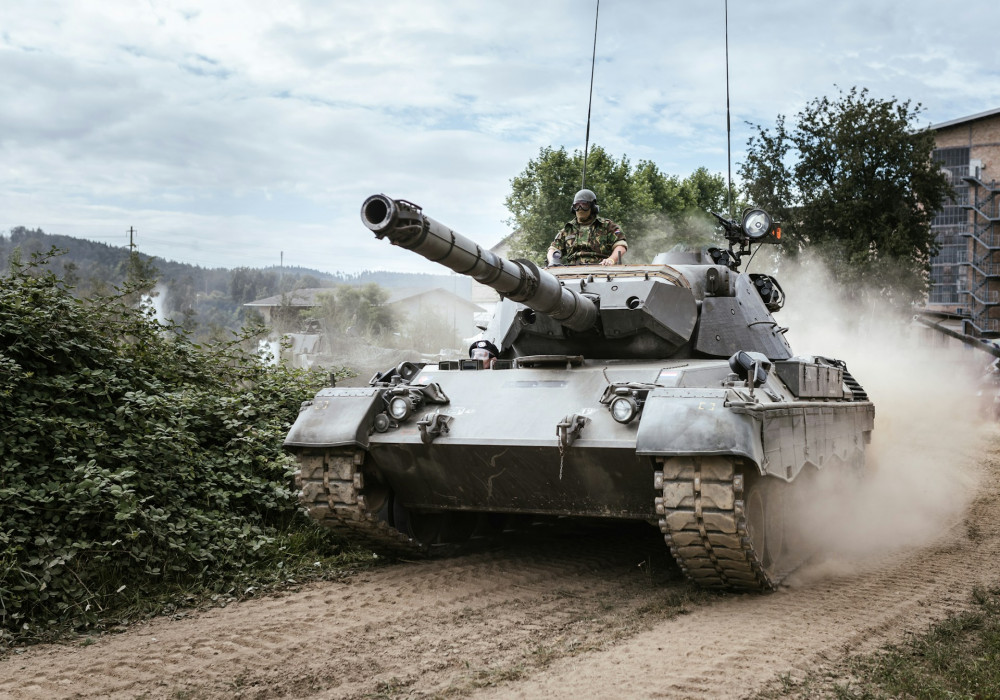
দীর্ঘ প্রায় দুই বছরের রক্তক্ষয়ী যুদ্ধের পর অবশেষে রাশিয়ার সঙ্গে সম্ভাব্য নিরাপত্তা চুক্তি নিয়ে আলোচনায় বসেছে ইউক্রেন। পশ্চিমা সমর্থিত ইউক্রেনীয় প্রশাসন এখন রাজনৈতিক ও কূটনৈতিক সমাধানের দিকে অগ্রসর হওয়ার ইঙ্গিত দিচ্ছে বলে ধারণা করা হচ্ছে। কিয়েভ এবং মস্কোর মধ্যকার আলোচনার বিষয়বস্তু এখনো পুরোপুরি প্রকাশ না হলেও, বিভিন্ন সূত্রে জানা গেছে—প্রস্তাবিত চুক্তিতে যুদ্ধবিরতি, নিরাপদ সীমান্ত নির্ধারণ, যুদ্ধবন্দি বিনিময় এবং পূর্ব ইউক্রেনের ভবিষ্যত রাজনৈতিক কাঠামো নিয়ে আলোচনা চলছে। ইউক্রেনের প্রেসিডেন্ট ভলোদিমির জেলেনস্কির দপ্তর এক বিবৃতিতে জানায়, “আমরা একটি টেকসই শান্তির পথ খুঁজছি, তবে তা হবে আমাদের সার্বভৌমত্ব ও ভূখণ্ড অক্ষুন্ন রাখার ভিত্তিতে।” রাশিয়ার পররাষ্ট্র মন্ত্রণালয়ও আলোচনার কথা নিশ্চিত করেছে এবং একে "গঠনমূলক প্রক্রিয়া" বলে উল্লেখ করেছে। তবে তারা পশ্চিমা সামরিক প্রভাব থেকে ইউক্রেনকে মুক্ত রাখার দাবি পুনর্ব্যক্ত করেছে, যা এখনো সমঝোতার পথে বড় বাধা হয়ে দাঁড়িয়েছে। আন্তর্জাতিক সম্প্রদায়ের মিশ্র প্রতিক্রিয়া এই আলোচনাকে কেন্দ্র করে আন্তর্জাতিক মহলে মিশ্র প্রতিক্রিয়া দেখা যাচ্ছে। ইউরোপীয় ইউনিয়ন এবং জাতিসংঘ শান্তিপূর্ণ আলোচনার উদ্যোগকে স্বাগত জানিয়েছে। তবে ন্যাটো ও যুক্তরাষ্ট্র ইউক্রেনকে সতর্ক করেছে যাতে তারা চাপে পড়ে কোনও অসম চুক্তিতে না যায়। যুক্তরাষ্ট্রের পররাষ্ট্র দপ্তর এক বিবৃতিতে জানায়, “আমরা চাই ইউক্রেন স্বাধীনভাবে সিদ্ধান্ত নিক, তবে মনে রাখতে হবে—শান্তি চুক্তি যেন যুদ্ধাপরাধীদের দায়মুক্তির সুযোগ না দেয়।” বিশেষজ্ঞদের মতে, রাশিয়া বর্তমানে কৌশলগতভাবে কিছুটা দুর্বল অবস্থানে থাকলেও, যুদ্ধক্ষেত্রে তাদের কিছু সাফল্যও রয়েছে। বিশেষ করে দোনেৎস্ক এবং লুহানস্ক অঞ্চলে রুশ বাহিনী আংশিক নিয়ন্ত্রণ প্রতিষ্ঠা করেছে, যা আলোচনার ক্ষেত্রে তাদের দাবিকে শক্তিশালী করতে পারে। এদিকে, ইউক্রেনের জনগণের মধ্যেও এই আলোচনাকে ঘিরে মতভেদ রয়েছে। একাংশ মনে করছে, দীর্ঘদিনের যুদ্ধক্লান্তি থেকে মুক্তির পথ এটি, অন্যদিকে অনেকে বলছে—এটি মূলত রাশিয়ার পক্ষে আত্মসমর্পণের আরেক নাম। চুক্তির সম্ভাব্য কাঠামো ও চ্যালেঞ্জ বিশ্লেষকদের ধারণা, আলোচনায় একটি অন্তর্বর্তী শান্তিচুক্তি হতে পারে, যার আওতায় যুদ্ধবিরতি কার্যকর করা হবে এবং আন্তর্জাতিক পর্যবেক্ষকদের মাধ্যমে সীমান্ত নিয়ন্ত্রণ পর্যবেক্ষণ করা হবে। একইসঙ্গে যুদ্ধবন্দিদের বিনিময়, ধ্বংসপ্রাপ্ত অবকাঠামো পুনর্গঠনে সহায়তা এবং দেশান্তরিত জনগণকে ফিরিয়ে আনার প্রক্রিয়া শুরু হতে পারে। তবে সবচেয়ে বড় চ্যালেঞ্জ হচ্ছে—ক্রাইমিয়া ও ডনবাস অঞ্চলের ভবিষ্যৎ অবস্থান নির্ধারণ। রাশিয়া ক্রাইমিয়াকে ইতোমধ্যেই তাদের অংশ বলে দাবি করে আসছে, অন্যদিকে ইউক্রেন কোনোভাবেই এই অঞ্চলগুলোর উপর রুশ আধিপত্য মেনে নিতে রাজি নয়। মস্কোভিত্তিক আন্তর্জাতিক সম্পর্ক বিশ্লেষক আন্দ্রেই লুকাশেঙ্কো বলেন, “যদি উভয় পক্ষই বাস্তববাদী অবস্থান গ্রহণ করে, তবে একটি সীমিত পরিসরের চুক্তি সম্ভব হতে পারে, তবে এর জন্য উভয়পক্ষকেই কিছু ছাড় দিতে হবে।” তবে আরেকটি বিষয় স্পষ্ট—এই আলোচনা যতই অগ্রসর হোক না কেন, এটি পুরোপুরি সফল হতে হলে পশ্চিমা শক্তিগুলোর অংশগ্রহণ ও সমর্থন অপরিহার্য। কারণ ইউক্রেনের সামরিক ও আর্থিক সহায়তার বড় উৎসই হচ্ছে যুক্তরাষ্ট্র, ইউরোপীয় ইউনিয়ন ও ন্যাটো। এই আলোচনার পরবর্তী ধাপ কী হবে, তা এখনো পরিষ্কার নয়। তবে শান্তিপূর্ণ সমাধানের জন্য বিশ্ব সম্প্রদায় আগ্রহের সঙ্গে পরিস্থিতি পর্যবেক্ষণ করছে। আগামী কয়েক সপ্তাহেই হয়তো জানা যাবে—দীর্ঘ যুদ্ধের পর প্রকৃত শান্তির পথে কতটা এগোতে পারল ইউক্রেন ও রাশিয়া।

দক্ষিণ চীন সাগরে আবারও শক্তি প্রদর্শন করল যুক্তরাষ্ট্রের নৌবাহিনী। মার্কিন নৌবাহিনীর এয়ারক্রাফ্ট ক্যারিয়ার USS Theodore Roosevelt এবং তার স্ট্রাইক গ্রুপ সম্প্রতি বিতর্কিত এই অঞ্চলে প্রবেশ করে টহল মিশনে অংশ নেয়। পেন্টাগনের দাবি, এটি একটি পূর্বনির্ধারিত ও নিয়মিত কার্যক্রম, যার মাধ্যমে তারা আন্তর্জাতিক জলসীমায় নৌপরিবহন স্বাধীনতা নিশ্চিত করতে চায়। তবে চীন এই পদক্ষেপকে ‘উসকানিমূলক’ বলে মন্তব্য করেছে এবং তাদের নিজস্ব সামরিক প্রস্তুতি আরও জোরদার করেছে। বেইজিংয়ের পক্ষ থেকে জানানো হয়েছে, তারা এ ধরনের বিদেশি সামরিক উপস্থিতিকে জাতীয় নিরাপত্তার জন্য হুমকি হিসেবে বিবেচনা করছে এবং প্রয়োজন হলে তারা ‘প্রত্যুত্তর’ দিতে প্রস্তুত। দক্ষিণ চীন সাগর নিয়ে দীর্ঘদিন ধরেই চীন ও যুক্তরাষ্ট্রের মধ্যে উত্তেজনা বিরাজ করছে। চীন প্রায় পুরো অঞ্চলকে নিজেদের অংশ বলে দাবি করে, যদিও আন্তর্জাতিক আইন ও ২০১৬ সালের হেগ ট্রাইব্যুনালের রায়ে এই দাবি খারিজ হয়েছে। আঞ্চলিক মিত্রদের সঙ্গে যুক্তরাষ্ট্রের ঘনিষ্ঠতা বৃদ্ধি দক্ষিণ চীন সাগরে যুক্তরাষ্ট্রের এই সামরিক তৎপরতা শুধু চীনের জন্য নয়, বরং সমগ্র এশিয়া-প্রশান্ত মহাসাগরীয় অঞ্চলের জন্য একটি গুরুত্বপূর্ণ বার্তা বহন করে। মার্কিন যুক্তরাষ্ট্র এখন শুধু নিজেরাই নয়, বরং আঞ্চলিক মিত্রদের সঙ্গে যৌথ মহড়ায় অংশ নিচ্ছে। সম্প্রতি ফিলিপাইনের সঙ্গে অনুষ্ঠিত হয় এক বিশাল আকারের যৌথ সামরিক মহড়া, যেখানে উভয় দেশের নৌবাহিনী এবং কোস্ট গার্ড অংশগ্রহণ করে। এতে অংশ নেয় ডজনখানেক যুদ্ধজাহাজ, যুদ্ধবিমান ও নজরদারি ড্রোন। এই মহড়ার অংশ হিসেবে বিতর্কিত স্কারবোরো শোল এলাকার কাছাকাছিও কার্যক্রম পরিচালনা করা হয়, যেটি চীন এবং ফিলিপাইন উভয় দেশের দাবির কেন্দ্রবিন্দু। এই যৌথ মহড়া চীনকে স্পষ্ট বার্তা দেয় যে যুক্তরাষ্ট্র এ অঞ্চলে এককভাবে নয় বরং মিত্রদের নিয়ে সক্রিয় অবস্থান নিচ্ছে। ফিলিপাইন, জাপান, অস্ট্রেলিয়া ও দক্ষিণ কোরিয়া—এই চার দেশকেই এখন যুক্তরাষ্ট্রের ‘নির্ভরযোগ্য কৌশলগত অংশীদার’ হিসেবে বিবেচনা করা হচ্ছে। চীন এই মহড়াকে ‘সীমান্ত লঙ্ঘন’ এবং আঞ্চলিক স্থিতিশীলতার জন্য হুমকি বলে উল্লেখ করেছে। চীনা প্রতিরক্ষা মন্ত্রণালয়ের একজন মুখপাত্র বলেন, “আমরা নিজের ভূখণ্ড ও জলসীমার নিরাপত্তা রক্ষা করতে দৃঢ় প্রতিজ্ঞ। কোনো প্রকার বাহ্যিক চাপ আমাদের প্রতিক্রিয়ায় প্রভাব ফেলবে না।” বিশ্লেষকদের দৃষ্টিতে সম্ভাব্য ঝুঁকি নিরাপত্তা বিশ্লেষকদের মতে, দক্ষিণ চীন সাগর বর্তমানে একটি ভূ-রাজনৈতিক সংঘর্ষের কেন্দ্রবিন্দুতে পরিণত হয়েছে। যুক্তরাষ্ট্র একে ‘ফ্রিডম অব নেভিগেশন’ ইস্যু হিসেবে দেখলেও চীন বিষয়টিকে তাদের ‘সার্বভৌমত্বের অবমাননা’ হিসেবে ব্যাখ্যা করছে। এই দ্বন্দ্বের ফলে সামান্য ভুল বোঝাবুঝিও বড় ধরনের সংঘর্ষে রূপ নিতে পারে বলে আশঙ্কা করা হচ্ছে। সিঙ্গাপুরভিত্তিক নিরাপত্তা বিশ্লেষক ড. লি ঝাও বলেন, “দুই পক্ষের সেনাবাহিনী যখন এত ঘন ঘন এবং এত কাছাকাছি এলাকায় কার্যক্রম চালায়, তখন উত্তেজনা নিয়ন্ত্রণে রাখা অত্যন্ত কঠিন হয়ে পড়ে। কোন পক্ষ ভুলক্রমেও আগ্রাসী পদক্ষেপ নিলে পুরো অঞ্চলটাই অস্থির হয়ে উঠতে পারে।” বিশ্লেষকরা আরও বলছেন, এই উত্তেজনা শুধুই সামরিক নয়, বরং বাণিজ্যিক ও কৌশলগত দিক থেকেও গুরুত্ব বহন করছে। দক্ষিণ চীন সাগর দিয়ে বিশ্বের প্রায় এক-তৃতীয়াংশ সামুদ্রিক বাণিজ্য হয়, ফলে এই অঞ্চলের স্থিতিশীলতা বৈশ্বিক অর্থনীতির জন্যও অত্যন্ত গুরুত্বপূর্ণ।
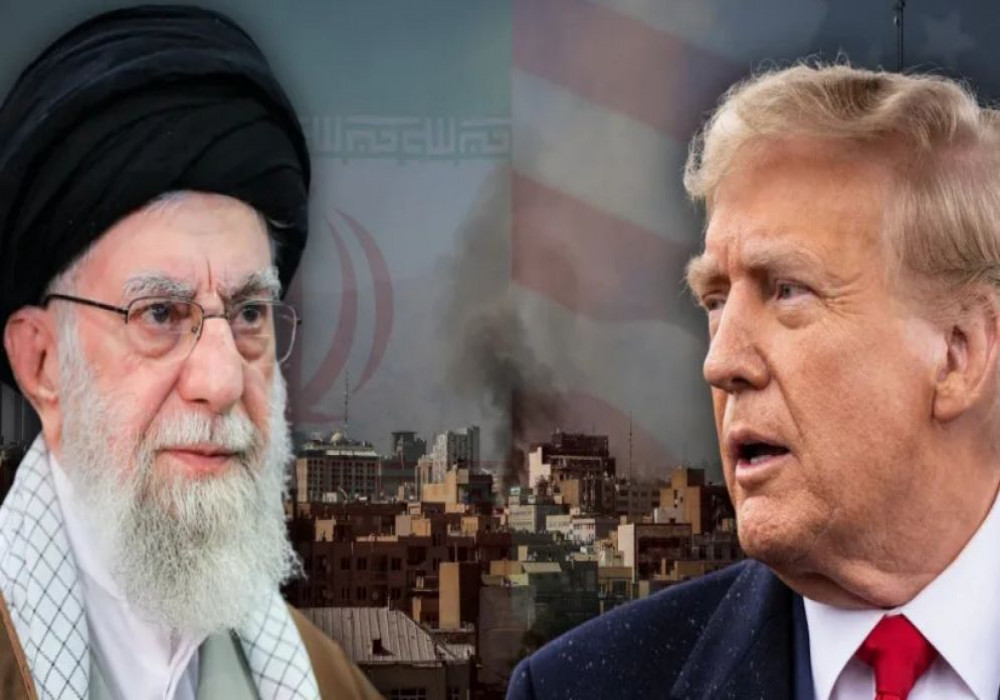
যুক্তরাষ্ট্র ইরানের সঙ্গে গোপনে কূটনৈতিক যোগাযোগ পুনরায় শুরু করেছে—যদিও সাম্প্রতিক যুক্তরাষ্ট্র-ইসরায়েল–ইরান উত্তেজনার মধ্যে এটি একটি অব্যাহত এবং সূক্ষ্ম পদক্ষেপ। জুন মাসে যুক্তরাষ্ট্র ইরান আক্রমণের পরও টেবিলে কূটনৈতিক বিকল্প রেখেছে এবং ইরানের বিরুদ্ধে সামরিক জবাববৎ কিছু সীমাবদ্ধ পদক্ষেপ নিয়েছে । মঙ্গলবার মার্কিন মধ্যপ্রাচ্য বিশেষ দূত স্টিভ উইটকফ বলেছেন, "আলোচনাগুলো ইতিমধ্যেই শুরু হয়ে গেছে, সরাসরি ও মধ্যস্থতার মাধ্যমে" এবং তিনি এগুলোকে “promising” হিসেবে বর্ণনা করেন । এদিকে রিপোর্টগুলো অনুসারে, যুক্তরাষ্ট্র ইরানকে সমন্বিত প্রস্তাব দিতে পারে: ২০–৩০ বিলিয়ন ডলারের বিনিয়োগ, নিষিদ্ধ নয়-সমৃদ্ধি পারমাণবিক উদ্যোগে এবং জমানো তহবিল মুক্ত করার সম্ভাবনা সহ । তবে ইরানের পক্ষ থেকে তেমন আগ্রহ প্রকাশ না করেই তারা জানাচ্ছে, “সংঘাত চলাকালীন কোনো অর্থবোধক আলোচনা হয়নি” এবং ইরান কোনো আলাপ-আলোচনায় অংশ নিতে ইচ্ছুক নয়—এ পর্যন্ত পরোক্ষ প্রতিক্রিয়ার মধ্যে । এই পরিস্থিতির পেছনে যুক্তরাষ্ট্রের যৌক্তিকতা হলো—এটি একটি "হেডফেক" বা প্রকাশ্য হুমকির ছায়ায় গোপন দ Diplomacy, যা ইরানের উত্তেজনায় প্রতিক্রিয়া দেখিয়ে তাকে পুনরায় টেবিলে আনাতে চায় । বেশ কিছু অনুসন্ধানমূলক মিডিয়া যেমন CNN ও NBC বলছে, এই প্রক্রিয়ার অংশ হিসেবে ৬ বিলিয়ন ডলার বিদেশী ব্যাংক অ্যাকাউন্ট থেকে মুক্তি এবং ফোর্ডো কেন্দ্রটি একটি বেসামরিক পারমাণবিক কেন্দ্র হিসেবে পুনর্গঠন উপস্থাপন করা হয়েছে । উল্লেখ্য, সাম্প্রতিক সময়ে যুক্তরাষ্ট্র ও ইরানের মিডিয়া প্রকাশনাগুলোতে সহজ-সরল বৈঠক নয়, বরং একটি স্ট্র্যাটেজিক কৌশল লক্ষ্য করা যাচ্ছে—যেখানে সামরিক হামলা ও কূটনৈতিক আমন্ত্রণ একই ছত্রছায়ায় অনুদিত হচ্ছে । এই প্রসঙ্গে সামুদ্রিক মধ্যপ্রাচ্যীয় প্রতিবেশী রাষ্ট্র ও মধ্যস্থতাকারী দেশ যেমন ওমান ও কাতার নির্দ্বিধায় ভূমিকায় রয়েছে, যাতে তারা গোপন পর্যায়ে যোগাযোগ সহজতর করতে পারে । এতে বোঝা যায়, যুক্তরাষ্ট্র ইরানকে পুনরায় আলোচনায় ফেরাতে চায়। যদিও সামনের দুর্গম পদক্ষেপগুলো নির্ভর করছে ইরানের উত্তর ও মধ্যপ্রাচ্যের সামগ্রিক উত্তেজনার দিকে নজর দিয়ে — আর তা জোরালো রাজনৈতিক ও কূটনৈতিক সংকটের মধ্যে দিয়ে যেতে হবে।
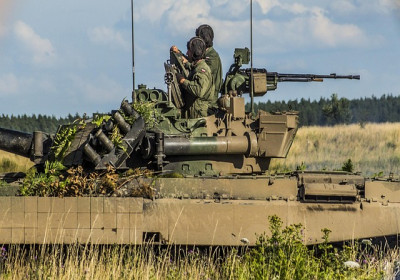
ইউরোপের রাজধানী ব্রাসেলসে আজ ইউরোপীয় ইউনিয়নের শীর্ষ নেতারা একটি বিশেষ শীর্ষ সম্মেলনে মিলিত হয়েছেন, যার মূল উদ্দেশ্য ইউক্রেন যুদ্ধের জটিল পরিস্থিতিতে শান্তি আলোচনা জোরালো করা। এই বৈঠকে ইউরোপীয় ইউনিয়নের পাশাপাশি মার্কিন যুক্তরাষ্ট্র ও যুক্তরাজ্যের উচ্চপর্যায়ের প্রতিনিধিরাও উপস্থিত আছেন। গত বছরের শুরু থেকে রাশিয়া-ইউক্রেন যুদ্ধ বিশ্ব রাজনীতিতে এক বিশাল অস্থিরতা সৃষ্টি করেছে। যুদ্ধের কারণে সারা ইউরোপ এবং বিশ্বজুড়ে জ্বালানি ও খাদ্য নিরাপত্তা সংকট বৃদ্ধি পেয়েছে। তাই ইউরোপীয় নেতারা এখন যুদ্ধবিরতি এবং স্থায়ী শান্তির জন্য একটি সুস্পষ্ট রোডম্যাপ তৈরিতে কাজ করছেন। ইউরোপীয় কমিশনের প্রেসিডেন্ট উরসুলা ভন ডার লেয়েন বলেন, “আমরা যুদ্ধের মানবিক সংকট বুঝতে পারি এবং এখন আমাদের দায়িত্ব এটি দ্রুত শেষ করার পথ খোঁজা। আমাদের প্রত্যেকের জন্যই শান্তি এবং স্থিতিশীলতা অপরিহার্য।” এই বৈঠকে অস্ত্রবিরতি চুক্তি, যুদ্ধাপরাধ তদন্ত, পুনর্বাসন কার্যক্রম এবং পূর্ব ইউরোপে নিরাপত্তা ব্যবস্থার উন্নয়ন নিয়ে বিস্তারিত আলোচনা হয়েছে। এছাড়া, খাদ্য ও জ্বালানি সংকট মোকাবিলায় আন্তর্জাতিক সমন্বয়ের কথাও বলা হয়েছে। বিশ্লেষকদের মতে, যদিও আন্তর্জাতিক বৈঠকগুলো যুদ্ধ সমাপ্তির নিশ্চয়তা দেয় না, তবে এগুলো যুদ্ধবিরতির সম্ভাবনা বাড়াতে এবং ভবিষ্যতের স্থিতিশীলতা গড়ে তুলতে গুরুত্বপূর্ণ ভূমিকা পালন করে।
 Play Video
 Play Video
 Play Video
 Play Video
 Play Video